Soil Temporalities
Walla Capelobo, Maia Beyrouti, Ricardo Sarmiento Ramírez, ReRouting
Curated by Viviane Tabach
Haus der Statistik, Karl-Marx-Allee 1, 10178 Berlin-Mitte
*Registration is appreciated. See the link below the event description.



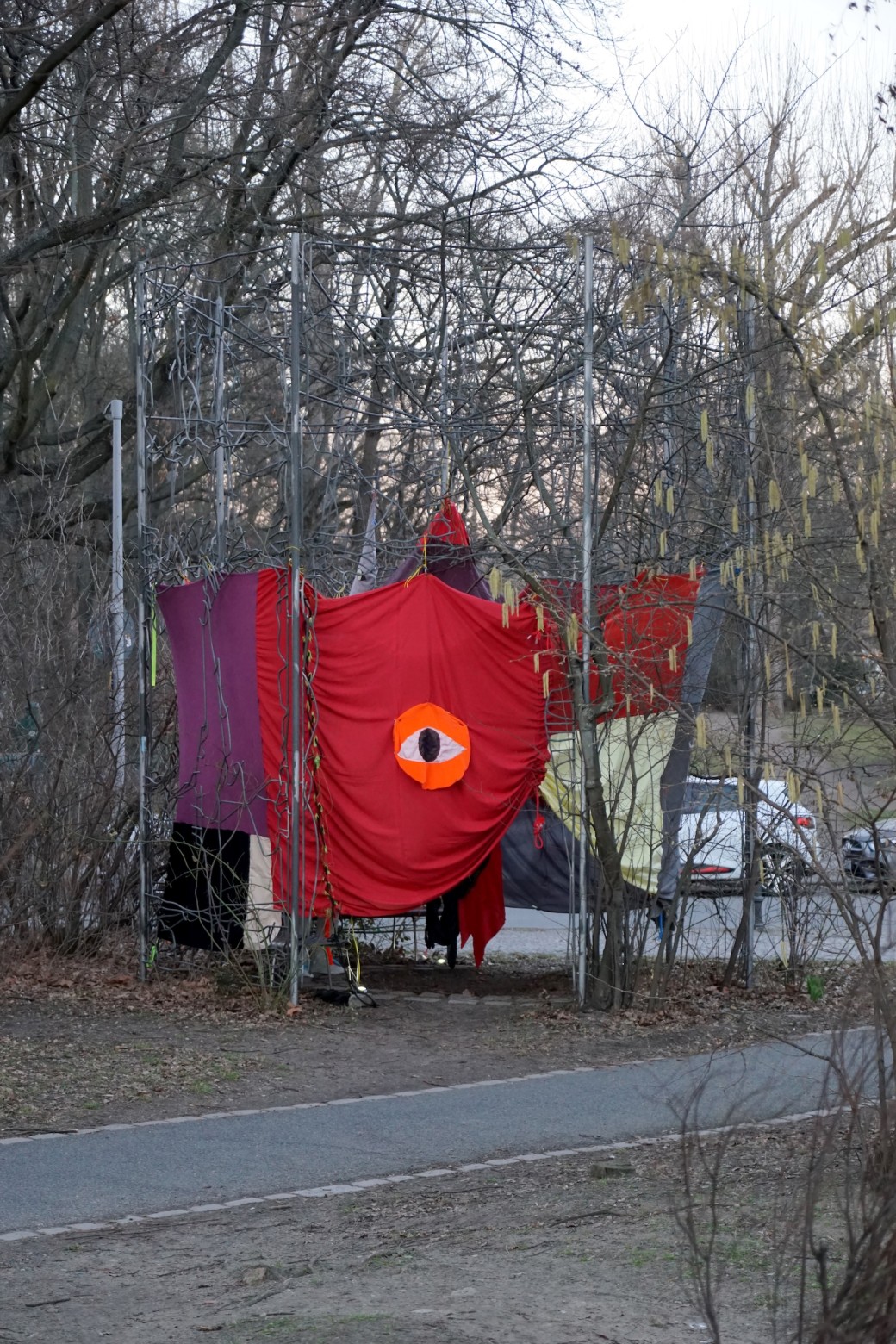
Soil Temporalities is a one-day program composed of a series of workshops within the ongoing project Devolver a Terra à Terra (To Return the Earth to Earth), which investigates the spiritual, political, identitarian, and cultural dimensions of land. This iteration brings together Walla Capelobo, Maia Beyrouti, Ricardo Sarmiento Ramírez, and the curatorial project ReRouting, each approaching soil as a site of memory, relation, and material inquiry.
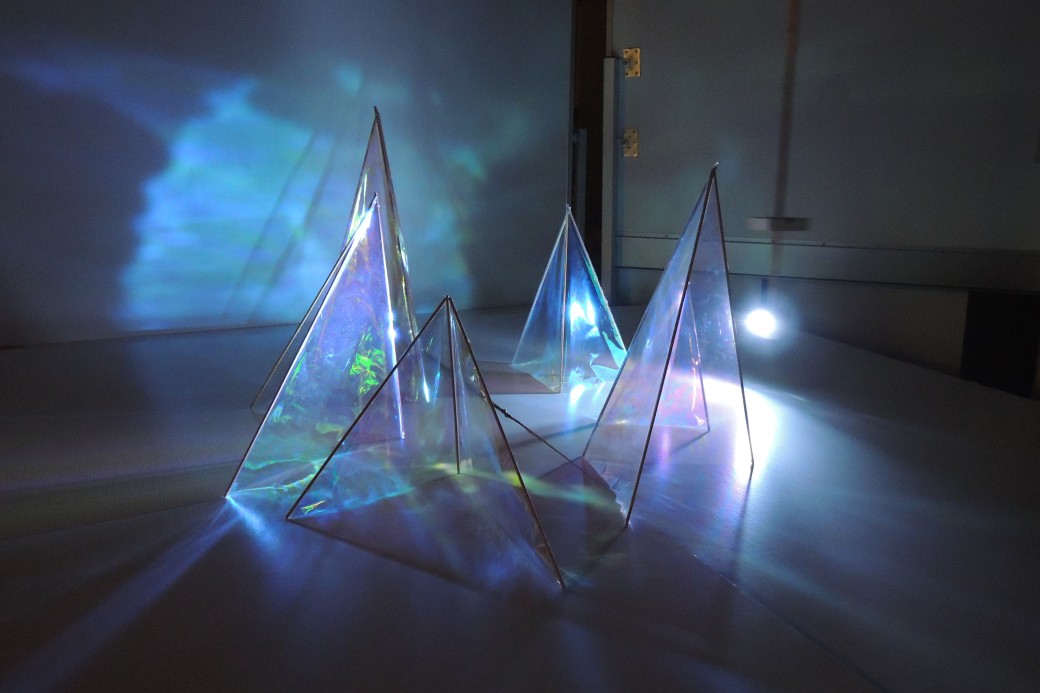
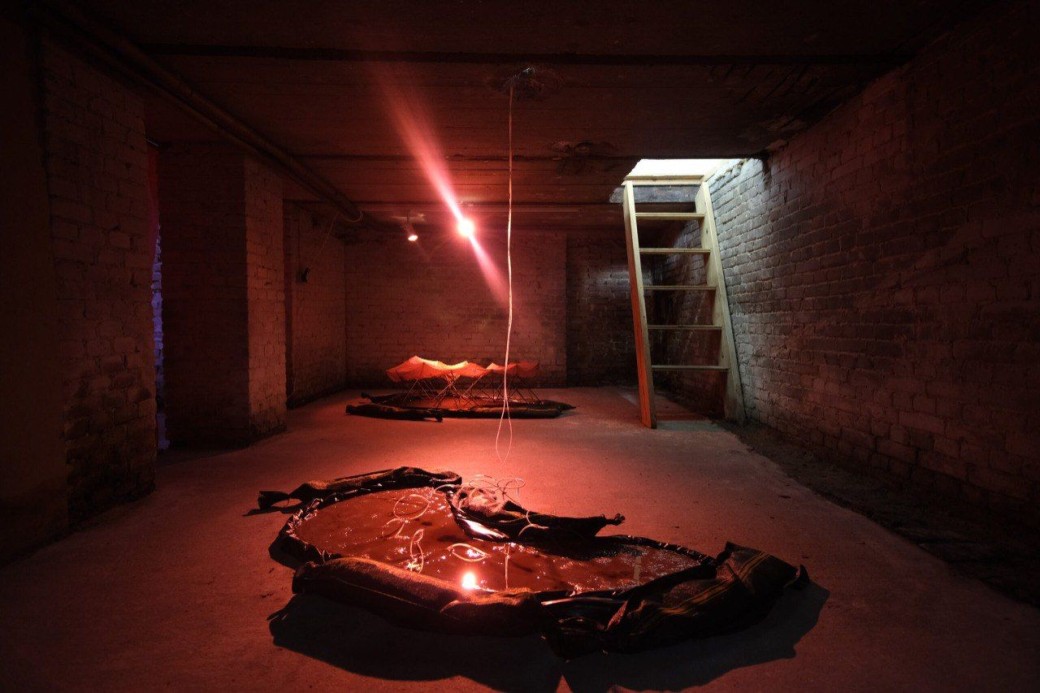
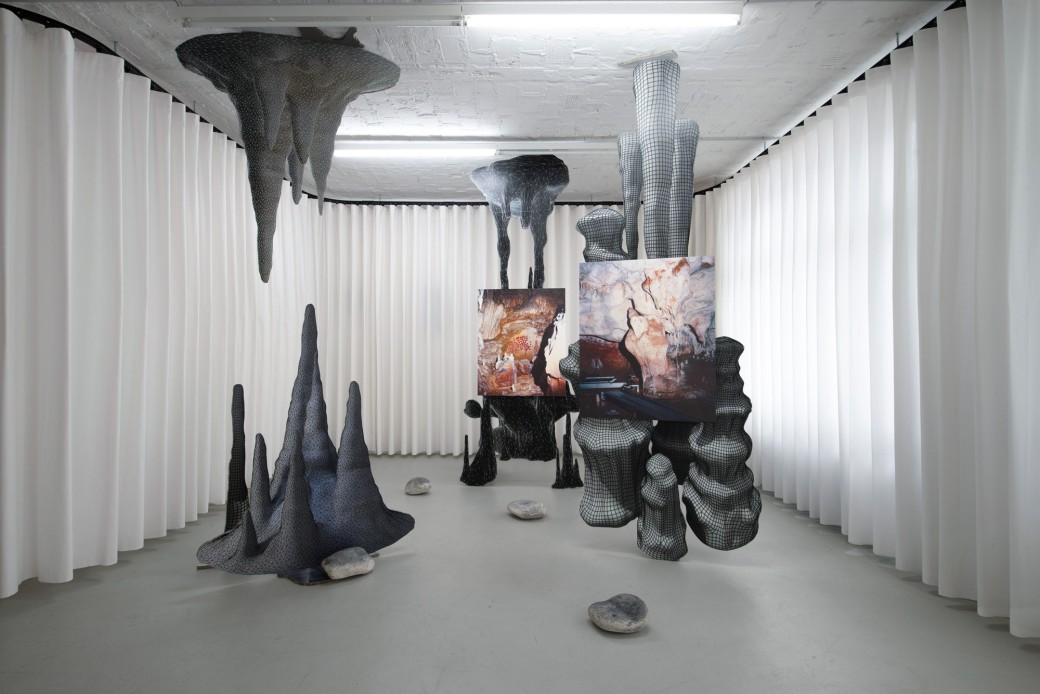
Walla Capelobo’s Rupestrian Cinema Lab: Analog Film with Clay unfolds as a collective construction of a geomythology, where minerals become a source for contemporary myth-making and the soil is reactivated as a communal ground. Participants will develop characters modeled in clay and create an analog “cave cinema,” where fire, shadow, and movement generate a choreography inspired by rupestrian images, reactivating storytelling as a shared, earth-bound practice.
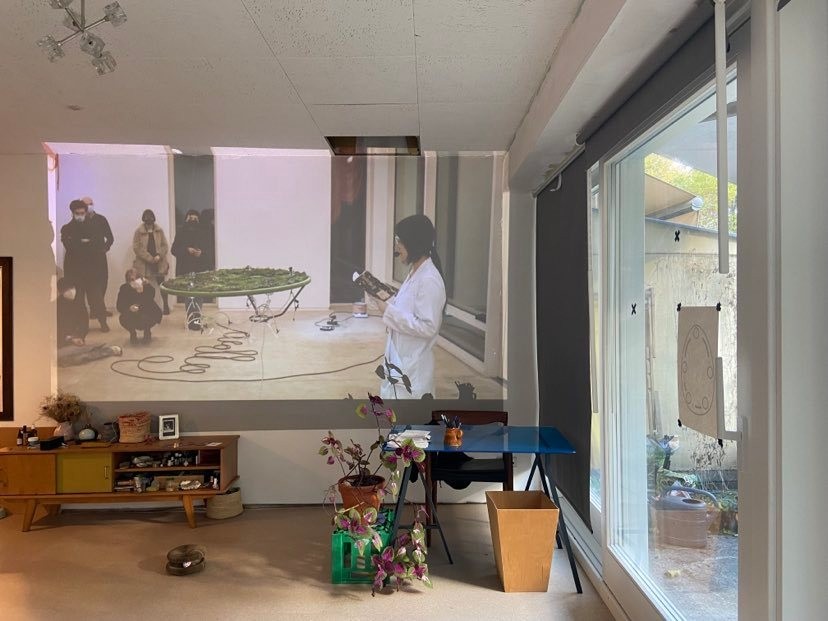
Maia Beyrouti hosts a presentation and open discussion addressing clay, material realities, and the built environment, situating the ground and its narratives within contexts of demolition, controlled access, and power structures.
In How to Survive on Unstable Ground, Ricardo Sarmiento Ramírez proposes a collective movement through three stations, each opening a different entry point into mangrove ecosystems. Through a guided itinerary, the workshop reflects on unstable grounds, engages with the material and symbolic dimensions of mangroves, and creates space for conversations around displacement, transmission, and the movement of knowledge across contexts.
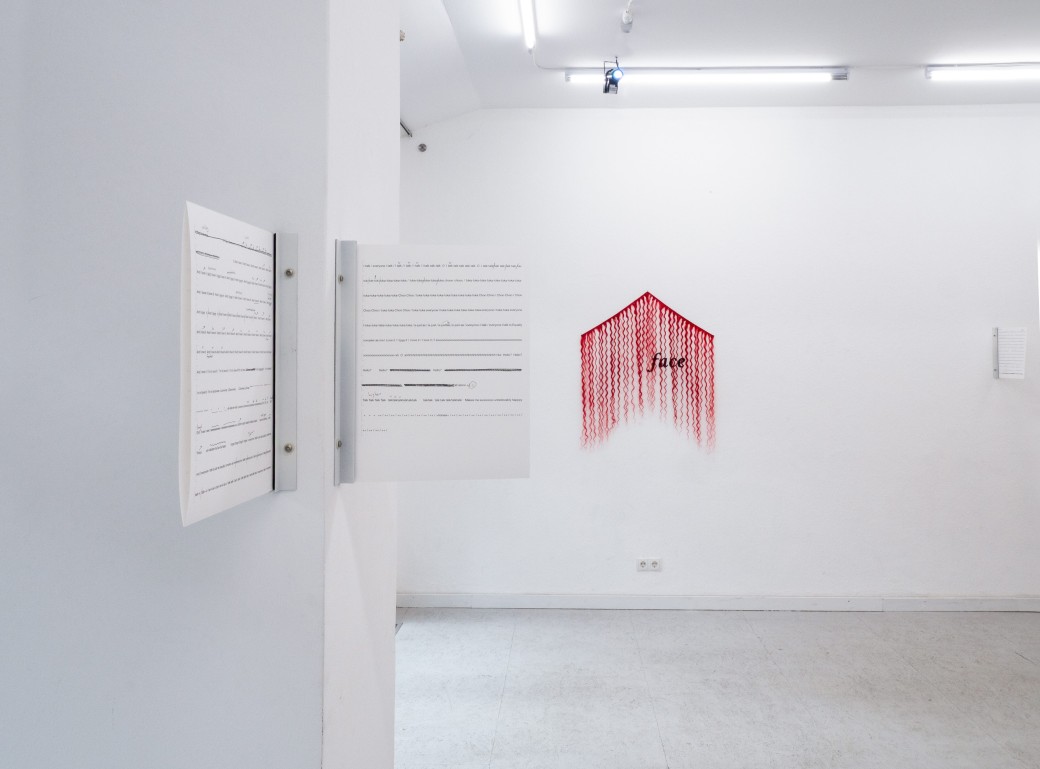
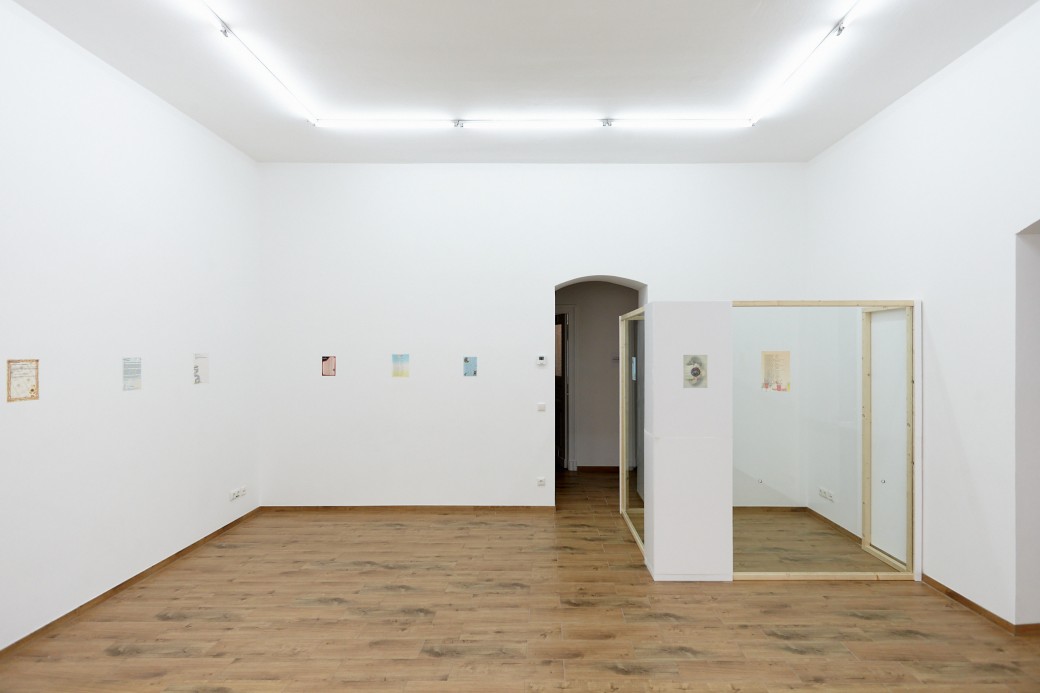
ReRouting presents a series of photographs produced during an immersive program with students from the University of Minho in Guimarães, where clay functioned as a medium to map and engage with the city.
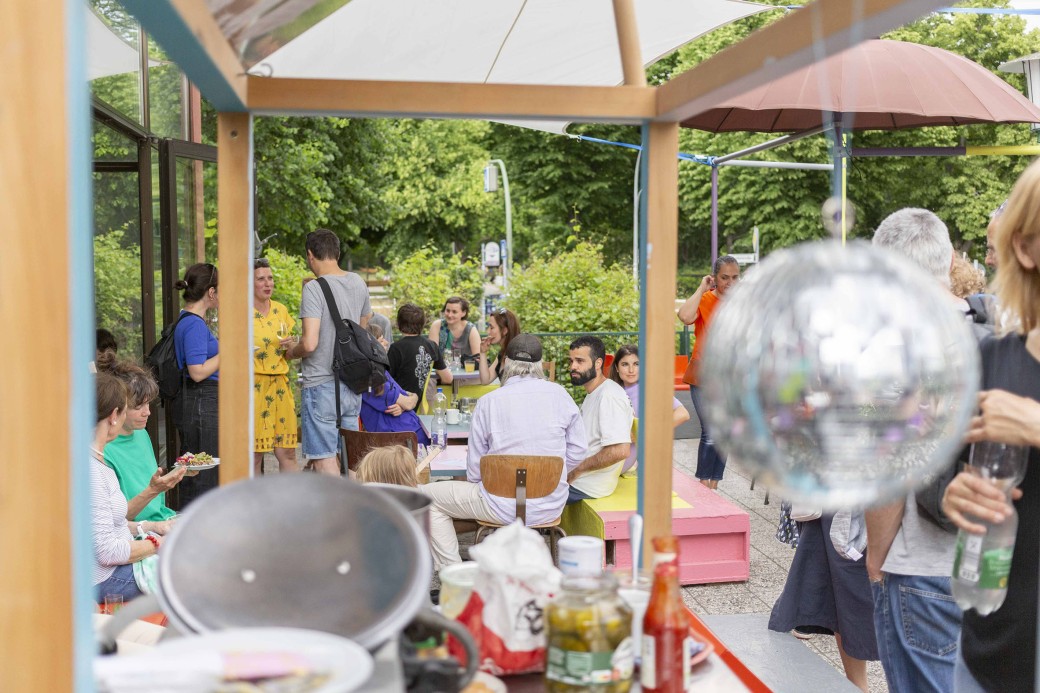
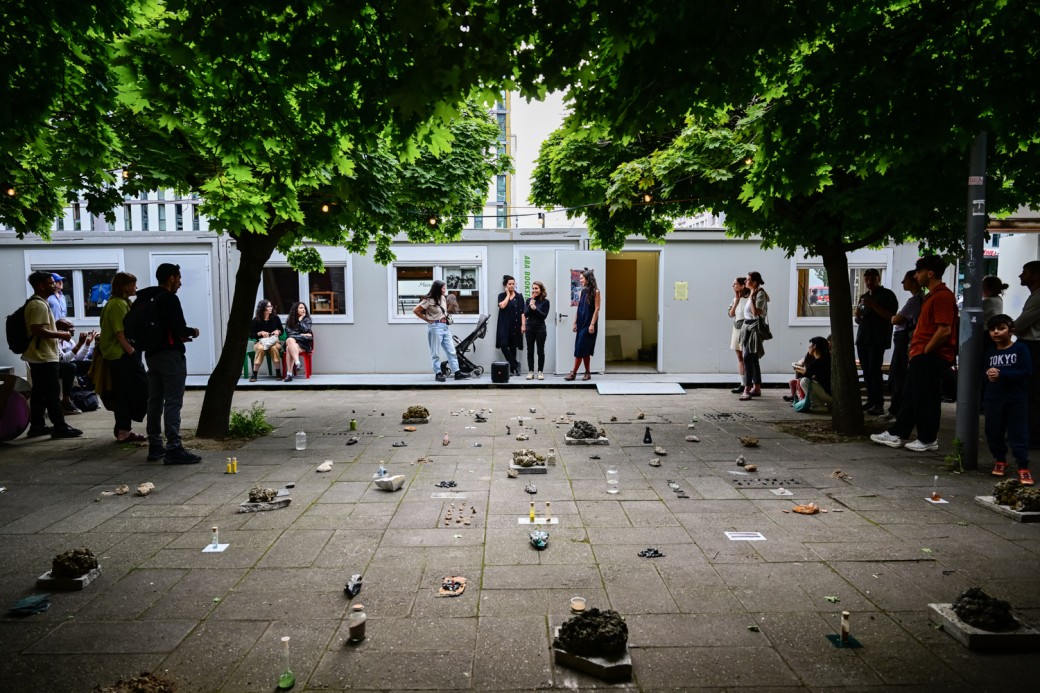
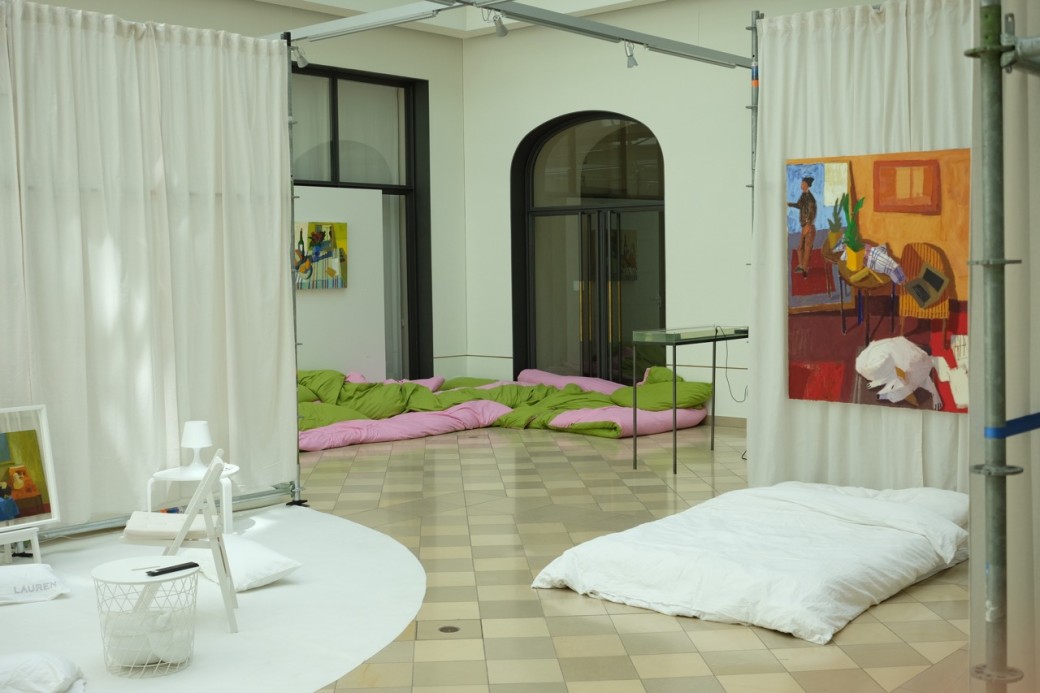
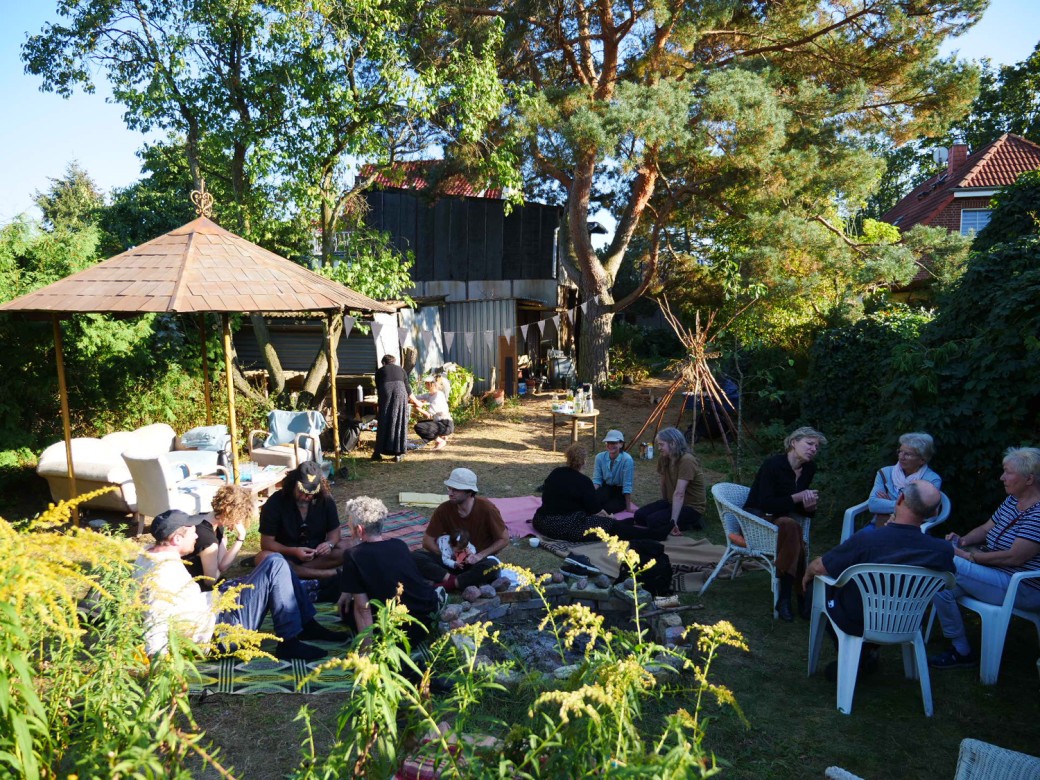
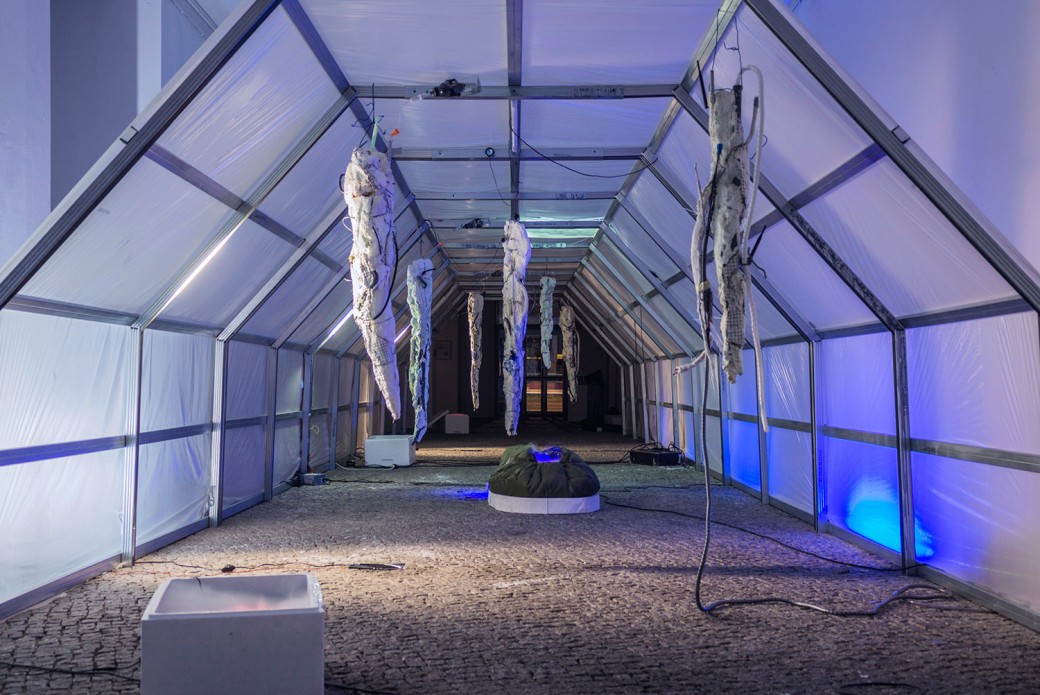
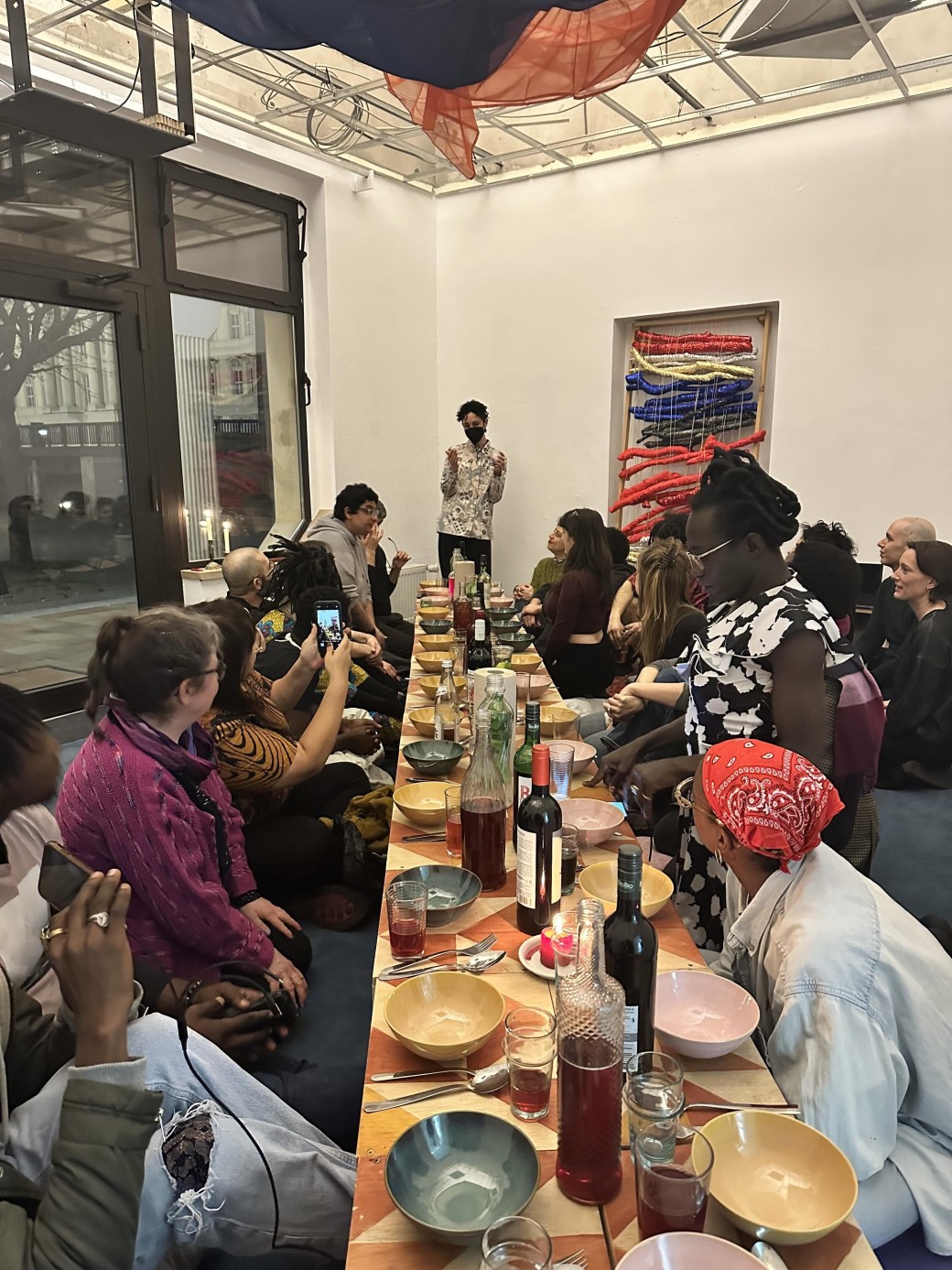
The program takes shape as a participatory environment structured through movement between making, listening, and discussion. Clay, rubble, mangrove ecologies, and fire are brought into proximity as material conditions that sustain distinct yet interconnected practices, remaining in dialogue throughout the day.
Registration and details for the workhops here.
Co-Making Matters
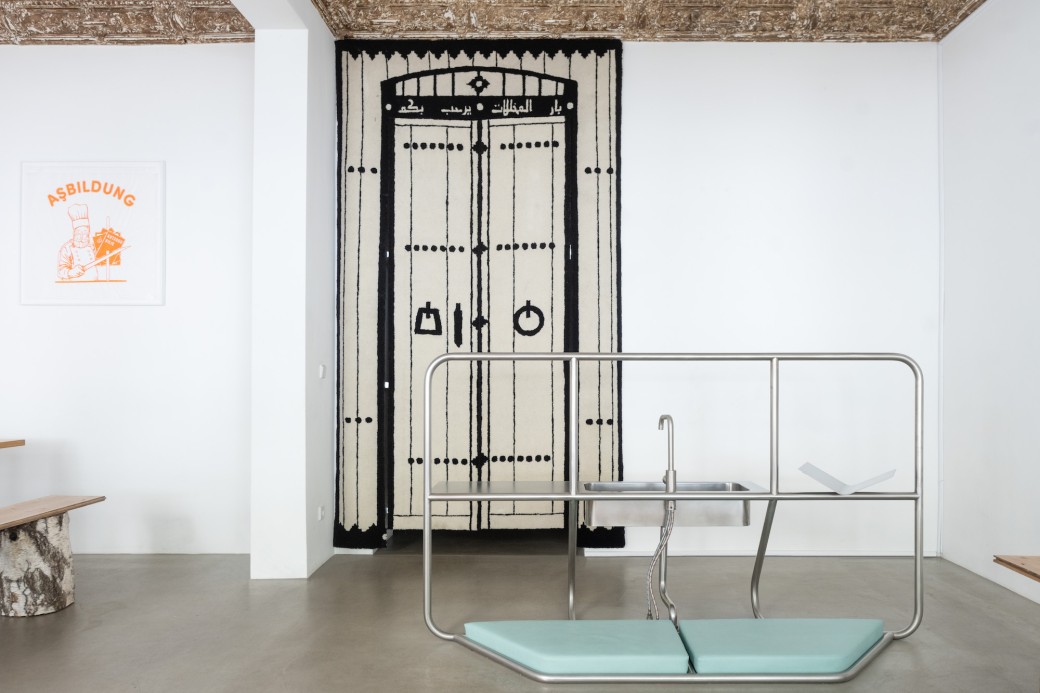
Co-Making Matters is a multidisciplinary platform based at Haus der Statistik that fosters collaboration across artistic, social, and urban practices. Functioning as a dynamic space for residencies, exhibitions, workshops, and hybrid events, the platform supports site-specific projects and temporary interventions that cultivate long-term partnerships and cross-disciplinary exchange.
At its core, Co-Making Matters is committed to exploring and developing methodologies of collaboration. It brings together practitioners from diverse fields—including artists, curators, designers, writers, urbanists, performers, researchers, cultural workers, and local communities—creating conditions for inclusive, intergenerational, and context-sensitive forms of working together.
Rooted in the context of Haus der Statistik, the platform engages with the site's socio-political, historical, and spatial dynamics. It emphasizes social responsibility, environmental justice, and shared agency, while actively promoting the circulation and sharing of resources. Through accessible and experimental formats that activate public space and foster shared knowledge production, Co-Making Matters nurtures a culture of openness, solidarity, and sustainable collective practices
Founded: 2022